St. Louis Board of Aldermen Divided Over City Employee Pay Hike and Clean Energy Board Appointment
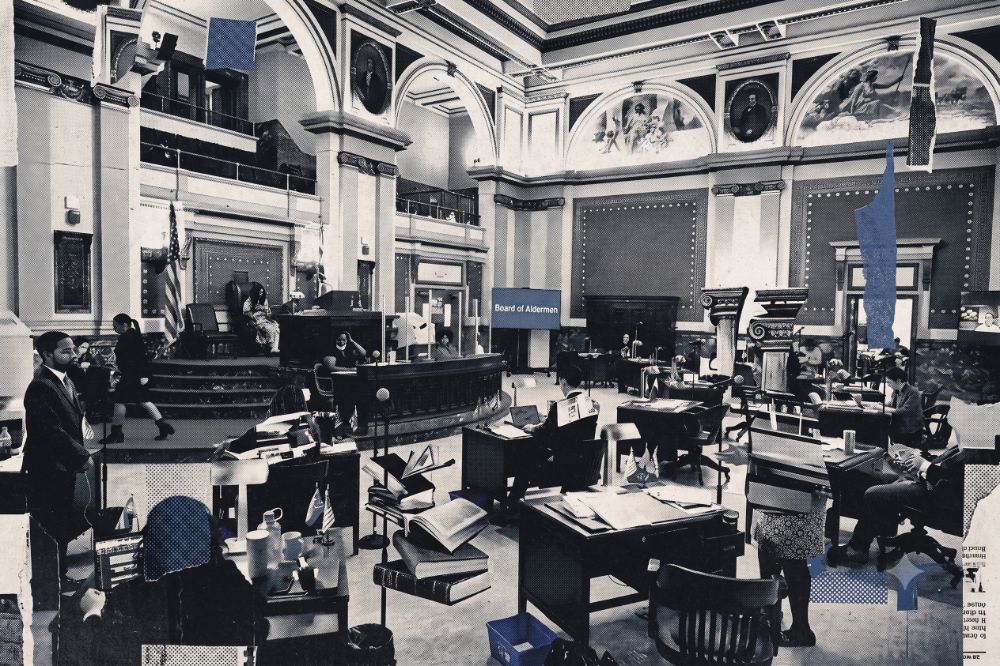
ST. LOUIS — The St. Louis Board of Aldermen advanced a critical legislative package on city employee compensation and navigated internal friction over a high-profile green energy appointment during its regular session on Friday, May 8, 2026.
The meeting, presided over by Acting President City Councilman Joe Cohn, spotlighted a growing debate within local leadership over structural adjustments to the city’s civil service pay schedules and the procedural oversight of local development boards.
The Main Event: The Battle Over City Employee Compensation
The most significant legislative maneuvering centered on Board Bill Number 9, a heavily co-sponsored ordinance aimed at restructuring compensation for St. Louis employees under the classified civil service.
Introduced by a progressive coalition including Alderman Rasheen Aldridge, Mayor Cara Spencer, and President Megan Green, the bill proposes sweeping changes to the city's current pay schedule by amending an existing February 2025 ordinance. The adjustments are designed to fast-track salary updates, making them effective as soon as the Mayor signs the bill into law.
The Floor Debate and the Split Vote
While proponents fast-tracked the bill to the Regular Perfection Calendar via a suspension of the rules, the floor debate exposed underlying legislative friction:
- The Proponents: Alderman Aldridge championed a "Floor Substitute" (Board Bill Number 9FS) to refine the pay scale adjustments, drawing immediate surge support. Aldermen Bret Narayan, Laura Keys, Jami Cox Antwi, and Acting President Cohn explicitly requested to be added as cosponsors to the updated version.
- The Holdout: Veteran Alderwoman Sharon Tyus signaled distinct hesitation. Rather than joining the unanimous consensus, Tyus repeatedly cast a vote of "Present"—first on the procedural motion to fast-track the bill, and subsequently on the adoption of the Floor Substitute.
Despite Tyus's reservation, the Floor Substitute was adopted by a 12-1 vote, though the legislative body notably adjourned before making a final motion to formally Perfect the bill for its third and final reading.
Procedural Pushback Over Clean Energy Appointment
The floor also became a battleground for executive oversight when Mayor Cara Spencer submitted her appointment of Jim Malle to the Clean Energy Development Board, commonly known as the Property Assessed Clean Energy (PACE) board.
The initial strategy by leadership was to confirm Malle immediately on the floor. Alderman Thomas Oldenburg moved for an outright approval, seconded by Aldridge.
However, Alderwoman Tyus intervened, aggressively requesting that the executive appointment face strict committee vetting rather than a swift floor confirmation. The procedural challenge triggered a wave of strategic retreats:
- Oldenburg and Aldridge withdrew their initial motions for immediate approval.
- Oldenburg pivoted, moving to send Malle's appointment to the Legislation and Rules Committee.
- After further quiet discussion on the floor, Oldenburg withdrew that motion as well.
- Ultimately, a compromise was reached to route the PACE appointment to the Health and Human Development Committee, satisfying Tyus's demand for formal oversight.
Waterfront Leases and River Mooring Fees Fixed
In addition to the high-profile political debates, the board successfully advanced Board Bill Number 21, introduced by Alderwoman Jami Cox Antwi under suspended rules.
The fiscal measure authorizes a five-year Second Amendment Lease Agreement between the City of St. Louis and the Material Sales Company for lucrative land and river mooring rights located between the MacArthur Bridge and the Poplar Street Bridge.
Under the freshly minted terms, the city secured a first-year baseline lease rate of $17,812.72, featuring a mandatory 3% compound annual escalator for each subsequent year of the contract. The bill has been officially routed to the Transportation and Commerce Committee for structural review.